Exchangeable containers for industrial and environmental applications

Special waste containers

Containers for collecting, temporarily storing and transporting materials. The design is compatible with Multilift hooklift systems; special configurations are tailored to the material and project requirements.

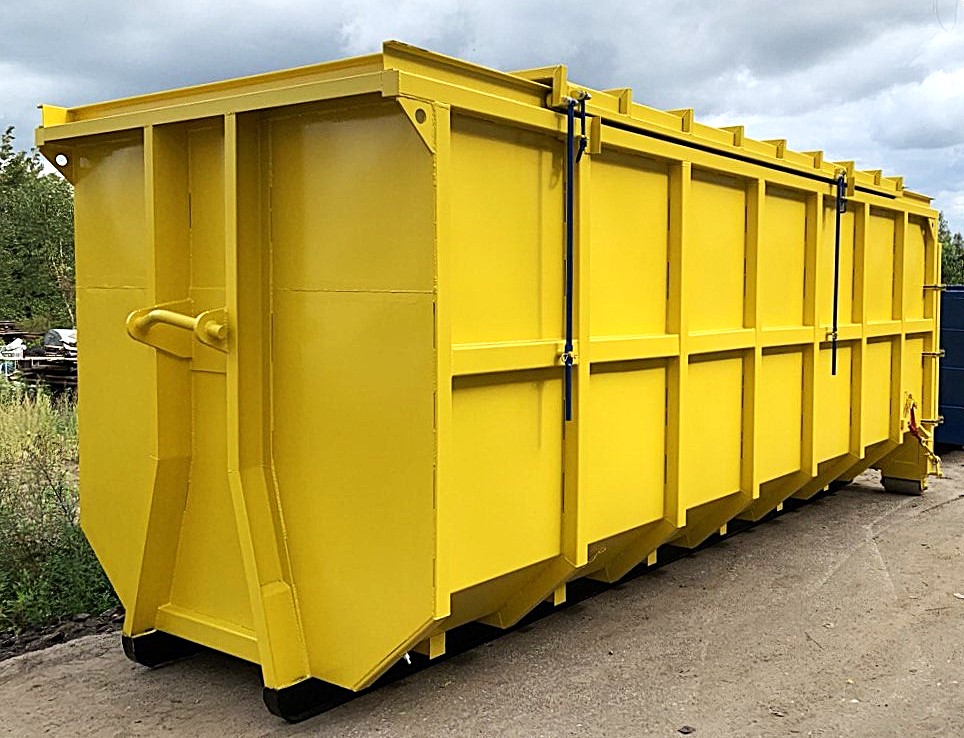
Special container 30 cubic meters with closed lid

Container use in a waste-management operation

The container is placed at the collection site and filled during operations. A hooklift truck exchanges a full container for an empty one, reducing vehicle waiting time.

The covered design protects the contents from rain and helps prevent material loss. Container materials and features are selected for the waste's physical state, chemical composition, temperature, and storage and transport requirements.

Standard design and custom concept

SOIL 30 is based on an existing design. PROTECT 30 is a custom design concept for materials requiring additional protection.

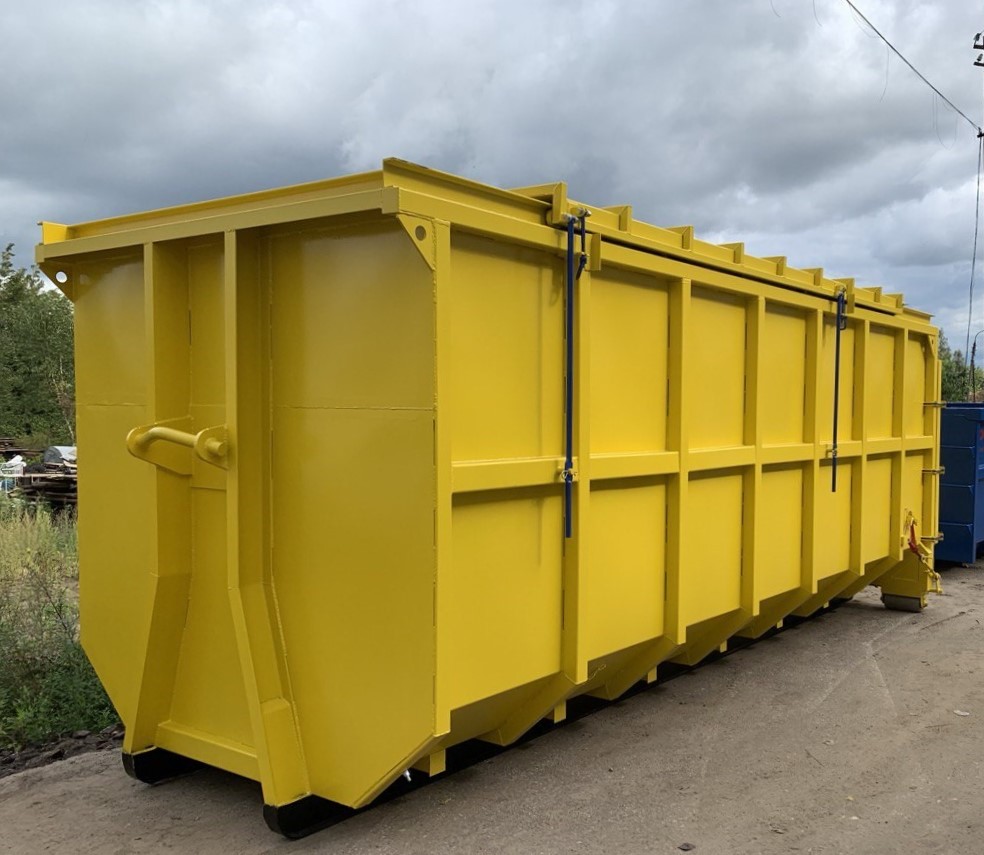
SOIL 30 container, view from loading side

Basic version

SOIL 30

For solid, bulk and packaged materials compatible with the structure, coating, rear-door seal and limits stated in the product documentation.

  • loading from above through a sliding lid;
  • tipping discharge through the rear door;
  • handling by a Multilift hooklift system;
  • on-site use as an exchangeable storage container.

Possible materials: contaminated soil and sand, dewatered oily waste and dewatered sewage sludge. Compatibility with the basic design is checked based on the material composition and operating conditions.
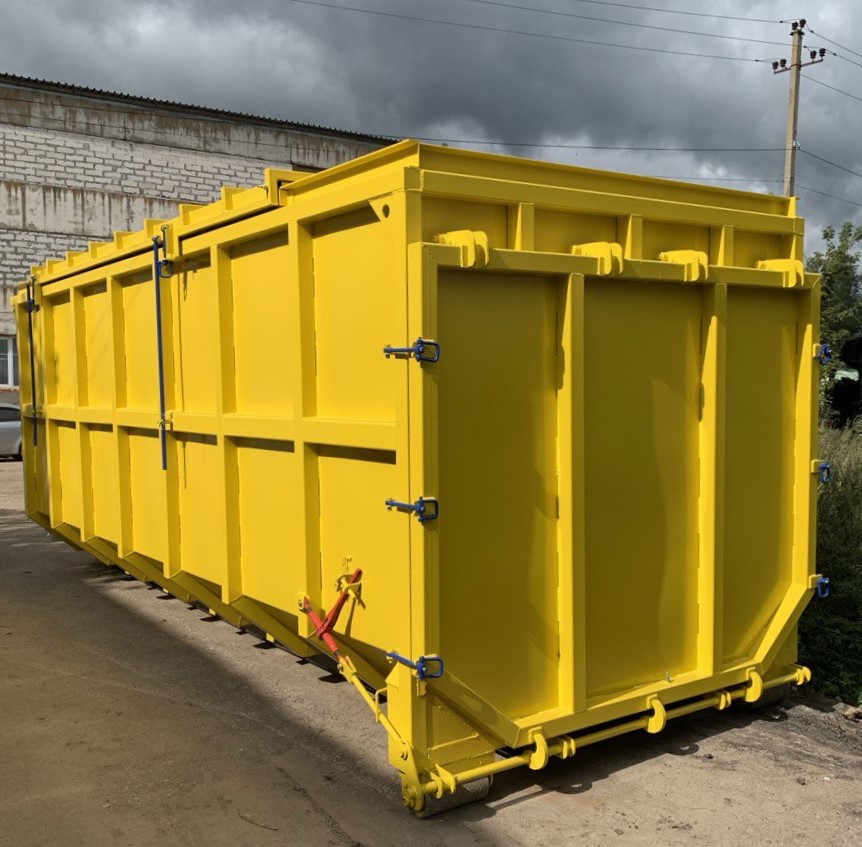
Base container viewed from the rear door; illustrative image for the custom design concept

Custom design concept

PROTECT 30

Illustrative photograph of the base container; special features are specified for each project.

For applications requiring greater leak resistance and chemical compatibility. Materials, coatings, seals and accessories are selected for the specific material.

  • continuous sealing of the lid and reinforced clamping;
  • chemically resistant rear-door seal;
  • protective internal coating, lining or liner;
  • gas vent, adsorber, drain and process connections, where specified.

PROTECT 30 is a custom concept based on the standard design. Leak resistance, chemical protection and auxiliary equipment are specified for the material. Any applicable regulatory classification requires supporting calculations, tests and documentation.

Basic design characteristics

The existing standard design has a 30 m³ volume. Other volumes and characteristics of special designs are determined during design.

Volume30 m³
Dimensions6465 × 2550 × 2660 mm
Empty container weight3010 kg
Maximum gross mass of filled container, including tare20,250 kg*
Loading systemMultilift, DIN 30722
Body materialCarbon steel; grade specified for the project
Steel thicknesswalls 3 mm, bottom 4 mm, cover 1.5 mm
Protective coatingProtective coating; type specified for the application, minimum thickness 100 µm
Loading and unloadingtop loading / tipping discharge through the rear door
Equipmentsliding lid, sealed rear door, grounding

* The 20,250 kg figure is specified at 90% fill and includes the empty container (3,010 kg). Subtracting the tare leaves 17,240 kg of contents at that mass; this is not a separately certified payload. Permissible fill depends on material density, vehicle and hooklift limits, weight distribution and applicable transport requirements.

Sliding cover and access

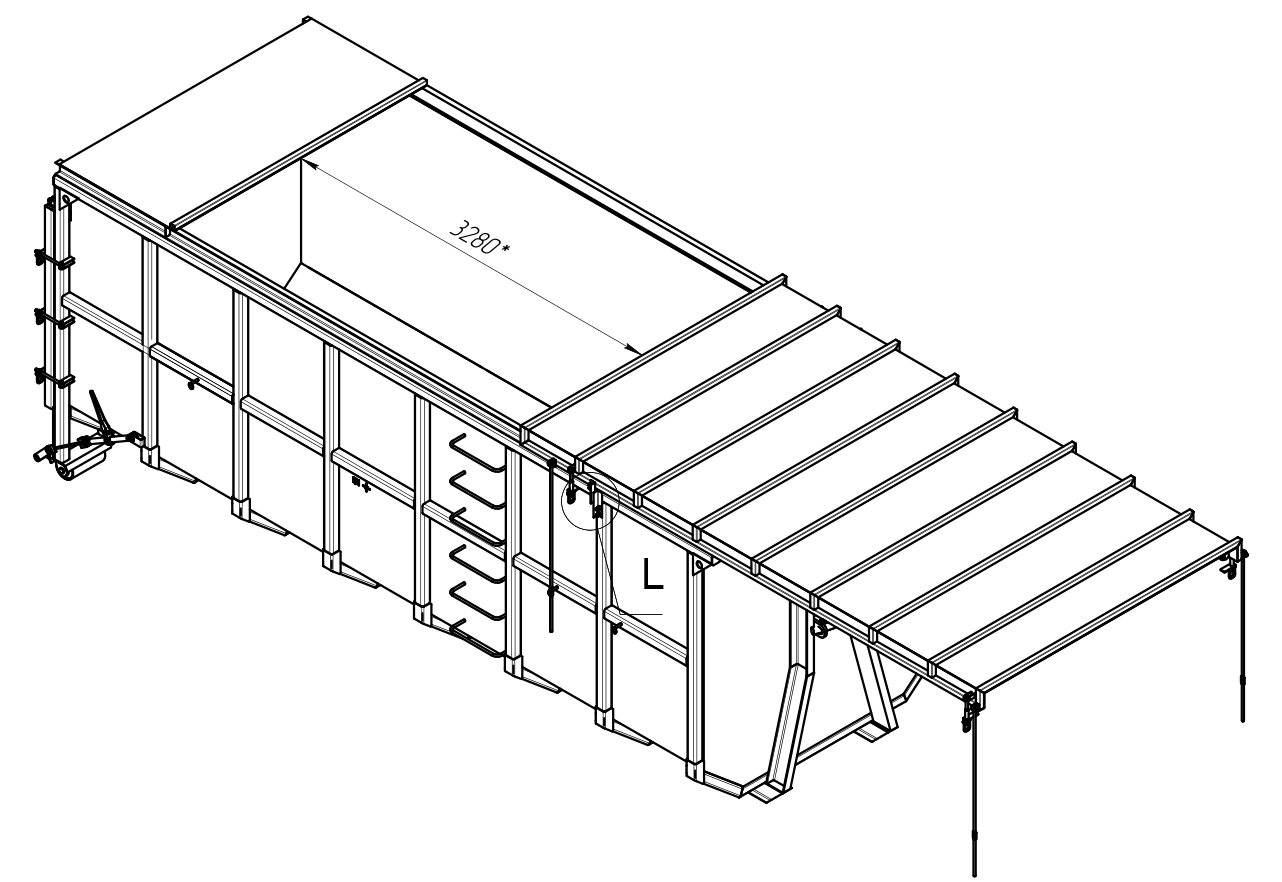
The isometric drawing shows the sectional sliding cover, built-in ladder and locking mechanism.

Open larger image →
Axonometric view of a container with a sliding lid and a ladder

Working with the Multilift system

The diagram shows the sequence of loading the container onto a hooklift truck and unloading it at the site.

Open larger diagram →
Sequence of installation and removal of the container with the Multilift system

Applications

The configuration is selected only after determining the composition of the material and operating conditions.

Response to oil and petroleum-product spills
Collection of contaminated soil, sand, dewatered oily waste and dewatered sludge from wastewater treatment plants
Oil production facilities, refineries, tank farms and pipeline enterprises
Environmental contractors and industrial waste management operators
Remediation of contaminated land and industrial-site decommissioning
Temporary storage of industrial, construction and municipal waste

Advantages of an exchangeable container

1

Faster transport turnaround

Full containers are exchanged for empty ones so the truck can keep transporting material instead of waiting on site.

2

Controlled on-site storage

Several containers can be pre-distributed among work areas and removed as they are filled.

3

Protection of contents

The cover limits rain ingress, loss of material and odors, subject to the selected design.

4

Adaptation to the task

The design can be modified for sealing, covering, drainage, ventilation, cleaning and maintenance.

Optional design features

Optional features are defined in the project specification and are not included in the standard version unless agreed.

Sealing

Seating flange, continuous lid gasket, even clamping pressure and rear-door seal.

Chemical resistance

Selection of EPDM, FKM/Viton, PTFE, inner lining, rubber lining or PE/PP liner.

Gas removal and inerting

Ventilation or gas discharge unit, adsorber and, if necessary, a port for supplying inert gas.

Process connections

Drain pipes, pump connections, additional hatches and withdrawal points.

Operation

Insulation, frame and bottom reinforcement, service areas, solutions for washing, degassing and disinfection.

Marking and control

Verification of grounding provisions, locations for labels and markings, and operating documentation.

Container design for the specific material

Before approving the design, it is necessary to know the origin of the material, chemical composition, hazard class, physical state, free liquid content, temperature, presence of volatile components and requirements for the transportation route.

For a special design, updated design documentation, expanded product documentation, a list of permissible substances, confirmation of material compatibility, leakage and strength tests, as well as determination of the applicable regulatory classification of the container may be required.

UN marking and approval for the carriage of dangerous goods can only be applied for after the category has been determined, the necessary tests have been carried out and supporting documents have been issued.

How the container design is selected

  1. Obtaining information about the material and working conditions
  2. Determination of storage, loading and transportation requirements
  3. Selection of basic or special version
  4. Agreement on the structure, coating and accessories
  5. Manufacturing, testing and documentation

The supplier manufactures and delivers the container. The organization of transportation, carrier licenses, waste documents and requirements for the vehicle are the responsibility of the customer or the involved carrier.

We will specify a container for your application

For a preliminary assessment, information is needed about the composition and volume of the material, the storage location, loading method, removal route, containment requirements and the hooklift system in use.
