Processing of oil sludge and contaminated soils

Modular processing plants for separating oily waste, extracting the hydrocarbon phase and purifying water and solid residues.

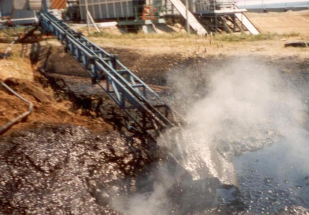
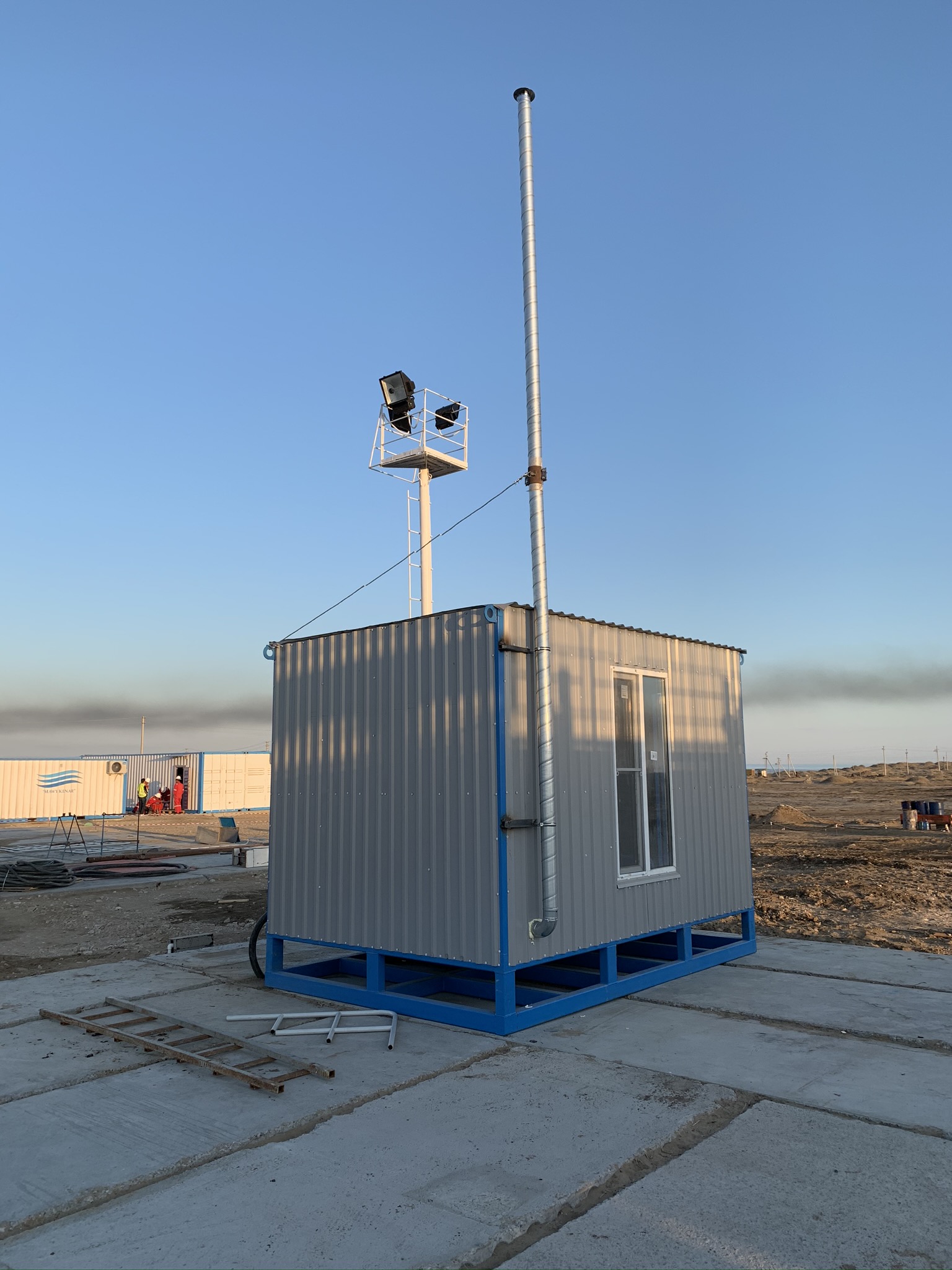
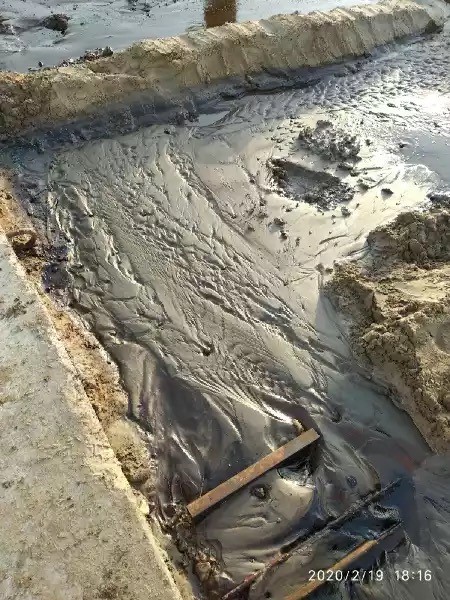
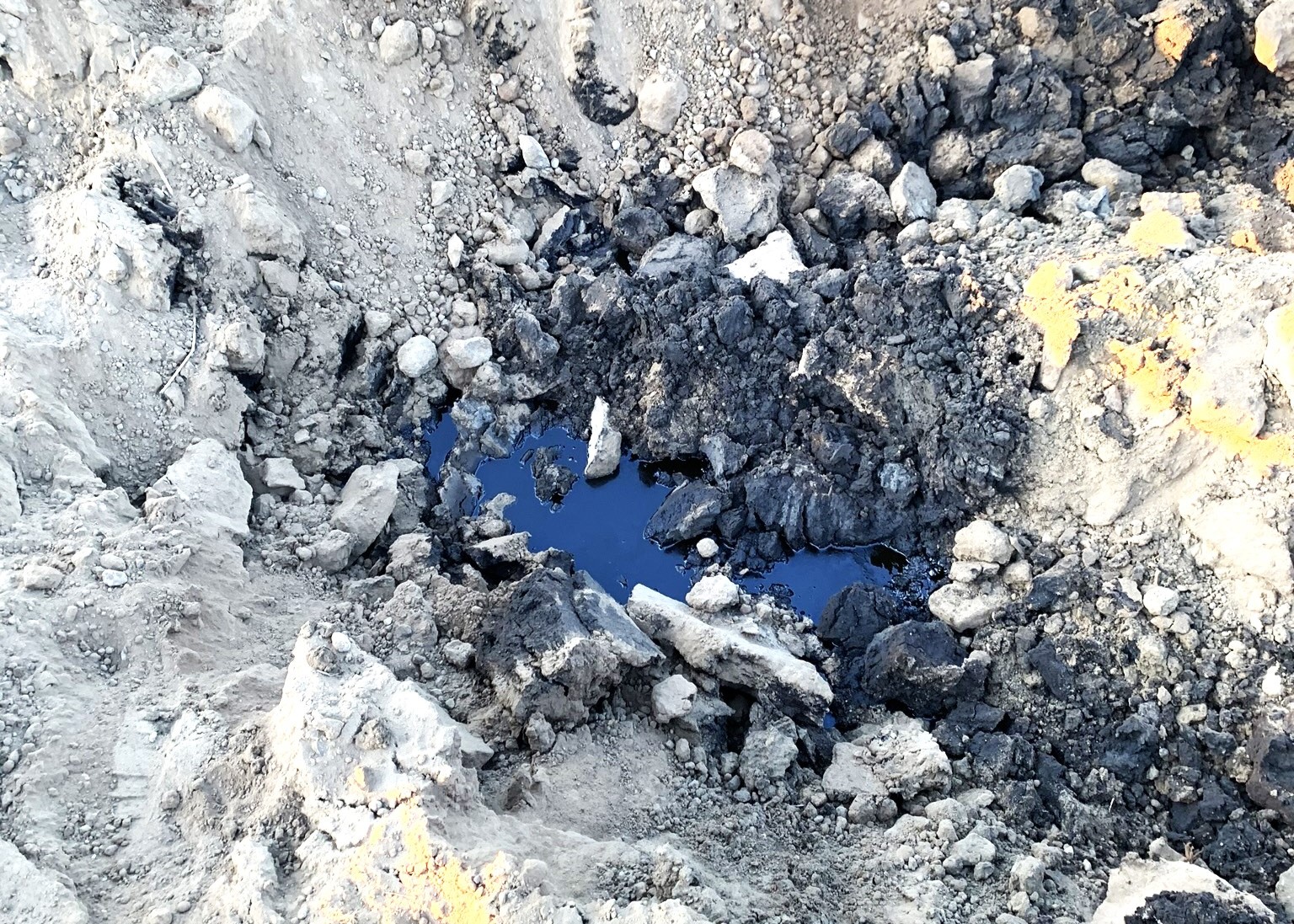
Oil-contaminated soil at an industrial site

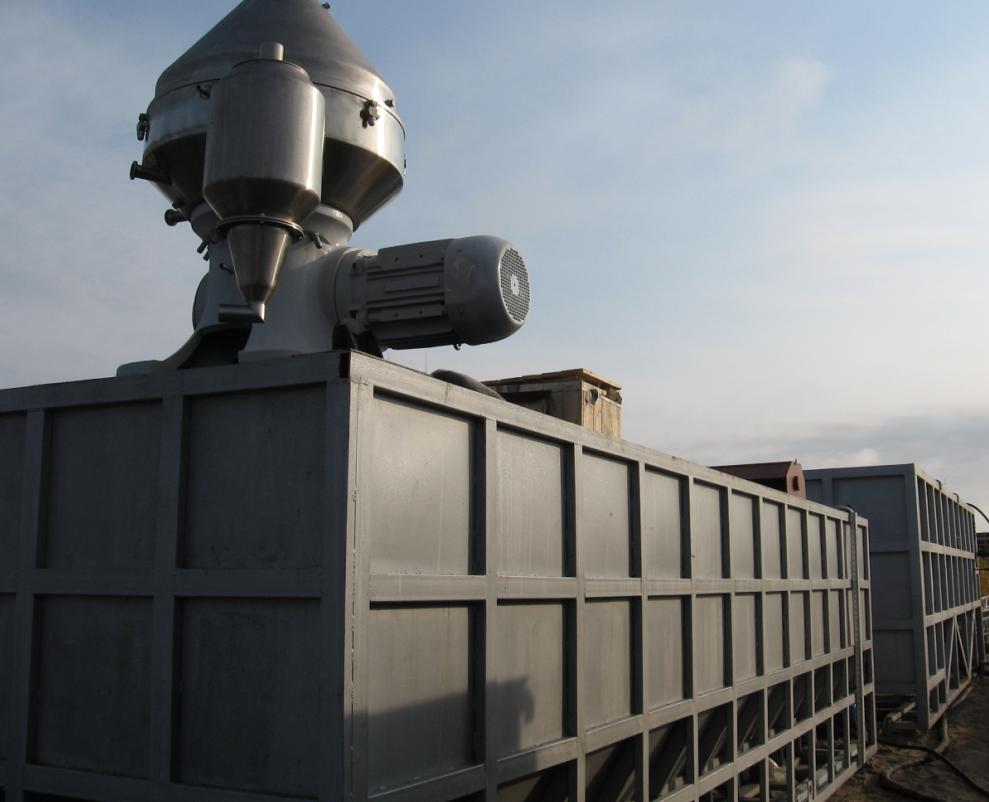
Integrated solutions for processing oily waste

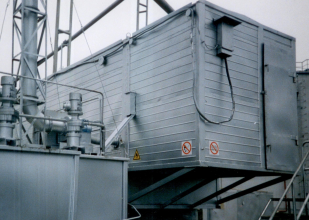
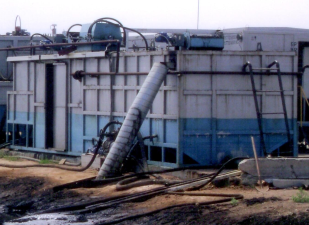
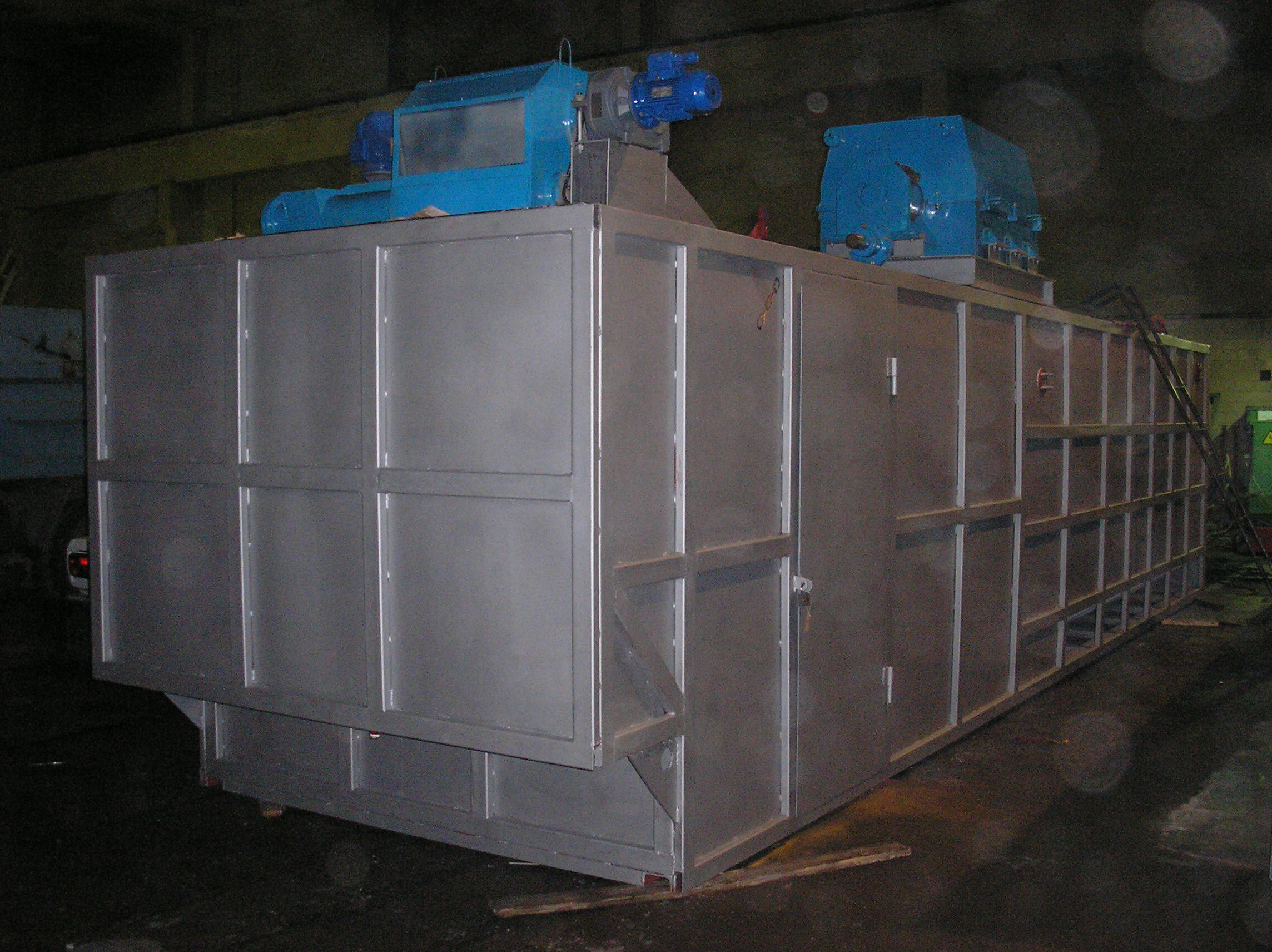
The modular plant treats oil sludge, oil-contaminated soil and other oily waste. Its process train prepares the feedstock, separates the hydrocarbon, water and solid phases, and treats and dewaters the recovered streams.

Each plant is assembled from functional modules selected for the feedstock, required throughput, site conditions and product specifications. Stationary and mobile configurations are available, together with design, supply, installation, commissioning and operational support.

Processed feedstock

Liquid oil sludge and oil–water emulsions

Read more →

Flowable mixtures of hydrocarbons, water and solids. Water may be free or present in a stable emulsion.

Hydrocarbon and water content, suspended solids, salts, sulfur and nitrogen compounds may vary. Feedstock density, viscosity, emulsion stability and solids content are assessed when selecting the treatment process.

Feedstock range: water content: up to 80%; mechanical and mineral impurities: up to 15%.
High-viscosity and aged oil sludge

Read more →

Highly viscous, poorly flowing or partially solidified oily waste, including bottom sediments and long-term stored oil sludge.

During storage, the proportion of light fractions decreases, oil–water emulsions may become more stable, and the content of asphaltenes, resins and paraffins increases. Such feedstocks typically require heating, mixing, blending and multistage separation of hydrocarbon, aqueous, and solid phases.

Feedstock range: water content: 45–50%; mineral solids: up to 30%.

Oil-contaminated soils

Read more →

Soil and mineral materials contaminated with oil or petroleum products as a result of spills, operation of storage tanks and industrial activities.

The feedstock may contain water, sand, clay, stones, plant debris and large solid objects. Before treatment, large objects are removed and the soil is crushed, heated and mixed to prepare it for separation and washing.

Feedstock range: water content: 5–70%; hydrocarbon content: 1–60%.

Drill cuttings

Read more →

A mixture of drilled rock, residual drilling fluid, water, fine solids and process additives. The hydrocarbon content depends on the type of drilling fluid used.

Treatment is aimed at separating the liquid phase, removing residual components of the drilling fluid, washing and dewatering the cuttings. The resulting water, if it meets the established requirements, can be returned to the process.

Feedstock range: no fixed limits are set for water and hydrocarbon content; the composition is determined by the type of drilling fluid and the content of the mineral phase.

Asphaltene–resin–paraffin deposits

Read more →

Dense deposits of high-molecular-weight hydrocarbons, including asphaltenes, resins and paraffins. They are formed in pipelines, tanks, oil treatment equipment and sludge reservoirs.

These deposits can be highly viscous and difficult to move at ambient temperature. They may also contain water and solids. Heating and blending prepare the material for separation and hydrocarbon recovery.

Feedstock range: water content: up to 50%; mineral solids: up to 30%.

Acid tars

Read more →

Complex acidic refinery waste, including hydrocarbon, water and mineral components, as well as residual acids.

Storage tanks may contain both surface liquid layers and thick bottom sediments with mechanical impurities. The treatment process provides for acid-resistant materials, controlled neutralization and separate processing of the liquid and solid parts of the raw material.

Feedstock range: water content: up to 80%; mineral and solid phases: up to 50%; residual acid: up to 20%.

Oil-contaminated water

Read more →

Water containing free, dispersed or emulsified petroleum products, as well as suspended mechanical impurities.

Such water can arise in sludge storage facilities, during the separation of oil sludge and at other stages of the process. The treatment scheme is selected taking into account the content of petroleum products, the stability of the emulsion, the amount of solid particles, salts and requirements for the further use of water.

Feedstock range: the ratio of water, oil products and mechanical impurities is determined by the actual composition of the flow and the results of preliminary analysis.

Oily sediments and slurries

Read more →

Bottom sediments and pumped mixtures of soil, water, hydrocarbons and mechanical impurities. They are characterized by a heterogeneous composition, a high content of solid particles and a change in properties along the depth of the storage tank.

Before the main processing, the sediments are removed, crushed, mixed and brought to a homogeneous state. Next, the separation of liquid and solid phases, extraction of hydrocarbons and dehydration of the residue are performed.

Feedstock range: water content: 45–50%; solids: up to 30%.

Recovered products

Extracted hydrocarbon phase

Read more →

Concentrated hydrocarbon product isolated from the feedstock after separation of the main part of water and mechanical impurities.

Depending on the selected configuration, the product can additionally undergo centrifugation, separation and dehydration. The possibility of return to the production cycle, compounding or further processing is determined by its actual characteristics and analysis results.

Achievable parameter range: water content: 0.5–5%; mechanical impurities: 0.05–0.5%.

Purified process water

Read more →

Water separated from hydrocarbons, solids and sediment during feedstock treatment.

If necessary, water undergoes additional gravity separation, filtration, sorption or membrane purification. The possibility of returning water to the process, using it for technical needs or other treatment is determined by the requirements of the project and the results of quality control.

Achievable parameter range: residual hydrocarbons: 0.05–350 mg/L.

Cleaned and dewatered solids

Read more →

Separated and dewatered soil, drill cuttings, sand and other mechanical impurities after removal of the bulk of water and hydrocarbons.

The possibility of using the material for backfilling, land leveling, road work, or the need for its further handling is determined by laboratory parameters and current regulatory requirements.

Achievable parameter range: residual hydrocarbons: 0.05–5%.

The stated ranges cover different feedstocks and plant configurations; they are not guaranteed performance values for every material. Actual results depend on feedstock composition, the selected configuration and operating conditions. Test methods, the basis of percentage values and project-specific limits must be agreed following feedstock analysis and testing.

Equipment advantages

Modular construction allows you to form a production line from individual functional units and adapt it to the conditions of a specific facility. If necessary, the complex can be supplemented with equipment for preliminary preparation, separation, purification, dehydration and automated control.

Modular design

Read more →

The process line comprises functional modules selected for feedstock properties, site conditions and target product specifications. If necessary, the line can be supplemented with new process stages and individual pieces of equipment.

Treatment of different waste streams

Read more →

The equipment is used for liquid and thick oil sludge, oil-contaminated soils, drill cuttings, paraffin and old oil-containing waste.

Three-phase feedstock separation

Read more →

The process line prepares the feedstock, separates the hydrocarbon, water and solid phases, and treats the recovered streams.

Hydrocarbon phase extraction

Read more →

The process recovers a hydrocarbon fraction for possible reuse or further treatment, subject to its properties.

Scalable throughput

Read more →

Throughput can be adjusted by changing the number and configuration of functional modules. Specific parameters are determined by the characteristics of the feedstock, the required process flowsheet and project conditions.

Mobile and stationary configurations

Read more →

The complex can be used for permanent operation at one site or be implemented in a mobile version for sequential operation at different production sites.

Automated control

Read more →

Monitoring process parameters, equipment control, alarms and safety interlocks are combined into a single automated complex control system.

Configuration based on feedstock testing

Read more →

The equipment package, process sequence and operating conditions are defined from feedstock analysis and, where needed, laboratory or pilot tests.

Stages of a complete production line

A complete process train may include feedstock receipt and preparation, heating and processing, hydrocarbon, aqueous and solids separation, petroleum product refining, sludge dewatering and process water purification.

  1. Receipt and supply of feedstock
  2. Preliminary preparation and removal of large inclusions
  3. Heating, stirring and processing
  4. Liquid-solid separation
  5. Centrifugation and separation
  6. Purification of the recovered hydrocarbon phase
  7. Dewatering of solid residues
  8. Process water treatment
  9. Collection and transfer of recovered streams

The actual set and sequence of stages are determined by the type of raw material, the results of preliminary studies and the selected configuration.

Main functional modules

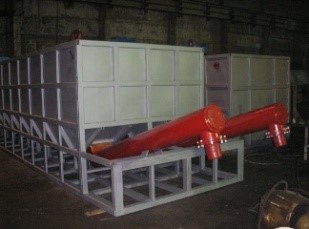
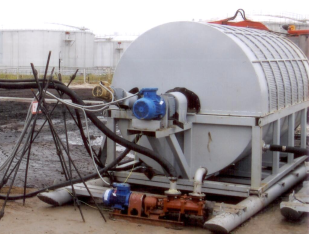
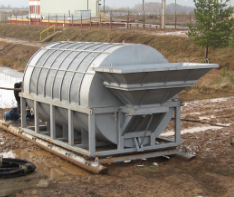
The plant comprises functional modules selected for the feedstock, required treatment level and throughput, and target specifications for the hydrocarbon, water and solid streams. Individual modules can be used in different combinations as part of a complete or reduced configuration.

Module No. 1 for collecting floating oil sludge
Additional view of module No. 1

MODULE 1

Feed receipt and preparation

Collection and pumping of floating oil sludge

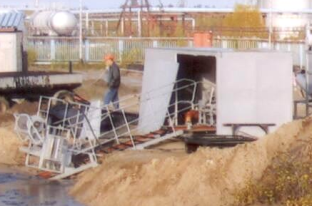
Designed for collecting liquid oil sludge and floating oil products from the surface of the storage tank and supplying feedstock to the production line.

Key components →
  • Floating booms and floats
  • Oil collection device
  • Self-cleaning filters
  • Pneumatic pumps
  • Turntable and winches
  • Feed tank
  • Explosion-proof control stations
Module No. 4 for collecting and pumping oil sludge and slurry

MODULE 4

Feed receipt and preparation

Collection and pumping of oil sludge and slurry

Designed for extraction and supply of bottom sludge, thick sediments, contaminated soil and slurry to subsequent processing stages.

Key components →
  • Soil and slurry pump
  • Collection boom sections
  • Soil crushing device
  • Swivel frame
  • Piping
  • Shut-off valves
Module No. 5 for preparing oil-contaminated soil

MODULE 5

Feed receipt and preparation

Preparation of oil-contaminated soil

Provides reception, heating, mixing and preparation of oil-contaminated soil or drill cuttings for subsequent cleaning.

Key components →
  • Feed reception unit
  • Extractor
  • Slurry pump
  • Screw and chain conveyors
  • Dosing equipment
  • Acoustic system
Module No. 2 of hydrocavitation and acoustic treatment
Additional view of module No. 2

MODULE 2

Liquid phase processing

Hydrocavitation and acoustic treatment

Prepares liquid oily feedstock for subsequent separation into hydrocarbon, water and solid phases.

Key components →
  • Hydrocavitation separator
  • Acoustic systems
  • Additional treatment sections
  • Separated layer removal devices
  • Extractors and activators
  • Pumping equipment
  • Demulsifier dosing system
  • Heat exchangers and storage vessels
  • Filter elements
  • Instrumentation and automation
Module No. 3 of centrifugation and separation
Additional view of module No. 3

MODULE 3

Liquid phase processing

Centrifugation and separation of oil emulsion

Provides final mechanical separation of the prepared stream and separation of the hydrocarbon phase, water and mechanical impurities.

Key components →
  • Product pumps
  • Centrifuges
  • Separator
  • Shell-and-tube heat exchangers
  • Flocculant preparation and dosing system
  • Recovered oil pump
  • Ventilation system
  • Variable-frequency drives
  • Instruments and control systems
Module No. 10 of electrodehydration of the hydrocarbon phase

MODULE 10

Liquid phase processing

Electrodehydration of the hydrocarbon phase

Uses electro-dehydration to break the oil–water emulsion and reduce water content in the recovered hydrocarbon phase.

Key components →
  • Electrical treatment units
  • Buffer tank
  • Recovered oil pump
  • Acoustic system
  • Separated layer removal devices
  • Measuring instruments
  • Piping and fittings
Module No. 6 for sludge and soil purification
Additional view of module No. 6

MODULE 6

Soil, sediment and water treatment

Treatment of solids and soil to remove hydrocarbons

Designed for processing thick oil sludge, oil-containing sediments, asphaltene–resin–paraffin deposits and contaminated soil with separation of hydrocarbon components.

Key components →
  • Hydrocavitation separator
  • Extractors
  • Acoustic systems
  • Chain and screw conveyors
  • Separated layer removal devices
  • Dosing equipment
  • Activators and hydrocavitation devices
  • Tanks and pumps
  • Replaceable filter elements
  • Instrumentation and piping
Module No. 7 sedimentation and dehydration of solid residue

MODULE 7

Soil, sediment and water treatment

Sedimentation and dewatering of solid residue

Provides thickening of sludge, separation of the liquid phase and further dewatering of the solid residue.

Key components →
  • Thickening equipment
  • Water removal pump
  • Screw conveyors
  • Slat conveyors
  • Acoustic extractor
  • Acoustic system
Module No. 8 for final purification of process water

MODULE 8

Soil, sediment and water treatment

Final purification of process water

Designed for additional purification of the water stream after the main stages of separation of oil-containing feedstock.

Key components →
  • Gravity filter separator
  • Pumps
  • Sorption unit
  • Membrane purification unit
  • Acoustic system
Module No. 11 of first stage soil cleaning

MODULE 11

Soil, sediment and water treatment

Primary soil treatment

Provides primary treatment and washing of oil-contaminated soil with separation of the main part of hydrocarbon contaminants.

Key components →
  • Extractor
  • Slurry pump
  • Chain conveyor
  • Dosing pump
  • Acoustic system
Module No. 12 of soil cleaning of the second stage

MODULE 12

Soil, sediment and water treatment

Secondary soil treatment

Designed for final acoustic treatment of soil and removal of residual hydrocarbon contaminants.

Key components →
  • Acoustic extractors
  • Slurry pump
  • Chain conveyor
  • Screw conveyor
  • Acoustic system
Module No. 9 - operator and automated control system

MODULE 9

Plant control

Operator and automated control system

Provides centralized control of process modules, power equipment, pumps, conveyors and acoustic systems.

Key components →
  • Equipment control unit
  • Power control panel
  • Compressor
  • Control and protection equipment
  • Monitoring and alarm equipment
  • Operator workstation

How equipment is selected

The final configuration is determined after analysis of the initial data. For complex and heterogeneous wastes, sampling and pilot testing may be required.

  1. Review of project data
  2. Analysis of the composition and properties of feedstock
  3. Determination of requirements for final products
  4. Laboratory or pilot testing as necessary
  5. Preparation of the process flowsheet
  6. Selection of the equipment package
  7. Preparation of a technical proposal

Delivery and implementation

Work may include review of project requirements, development of a technical solution, design, manufacturing, supply of equipment, installation, commissioning and operational support.

Review of project requirements
Development of a technical solution
Design
Manufacturing and equipment assembly
Supply of equipment
Installation or installation supervision
Commissioning
Optimization of operating conditions
Operator training
Acceptance tests
Warranty and service support

Equipment and project examples

Nobel field, Turkmenistan

Oil-contaminated soil remediation

Soil before processing
Washing and treatment of contaminated soil
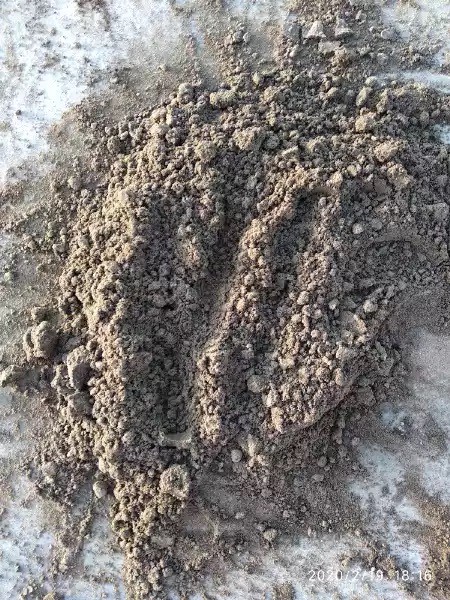
Soil after treatment

We will select equipment for your feedstock and process requirements

To prepare a technical proposal, we need the feedstock composition and volume, required throughput and target product specifications.